November 11, 2026
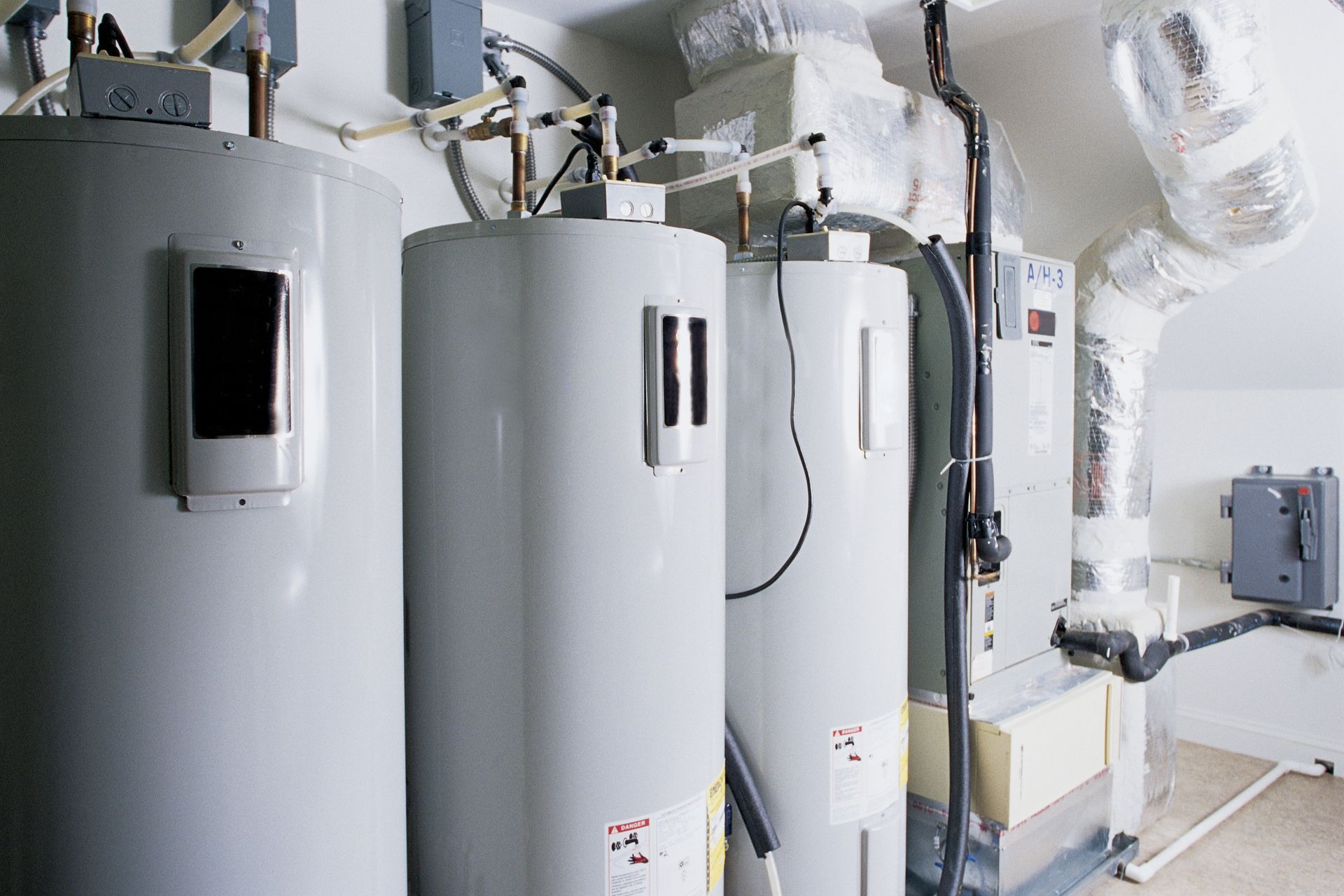
The enterprise climate control market stands at the threshold of extraordinary expansion, setting a trajectory that will reshape facility operations and modern real estate worldwide. This dramatic transformation stems from rapid technological integration, stricter environmental legislation, unprecedented commercial construction, and urgent corporate sustainability agendas. Organizations across every industry now recognize high-performance heating and cooling infrastructure as a central component of bottom-line protection and regulatory compliance. According to industry analysis by Dataintelo, global commercial HVAC revenue was estimated at $214.8 billion in 2025 and is projected to expand to $404.6 billion by 2034. Navigating this transition successfully requires expert implementation, prompting organizations worldwide to invest heavily in dependable commercial HVAC services to modernize existing facilities and secure future operational stability.
Lowering Operating Expenses Through Advanced Energy Management
Escalating utility costs represent an urgent concern for facility executives operating enterprise real estate. Volatile electricity rates and peak demand surcharges severely strain operational budgets, turning basic climate control into one of the largest corporate expenditures. Modernizing equipment directly addresses these financial liabilities by cutting power consumption without sacrificing occupant comfort. Advanced variable refrigerant flow systems and intelligent automated controls adjust system capacity dynamically based on actual occupancy. Through calculated upgrades, modern enterprises achieve immediate utility relief while strengthening their long-term economic resilience against inevitable power rate inflation.
Building operators consistently recognize that financial returns on heating and cooling equipment rely on continuous calibration and maintenance. Engaging certified specialists for regular commercial HVAC services preserves peak operating efficiency, prevents unexpected mechanical degradation, and avoids emergency service interruptions. Organizations that commit corporate capital to disciplined equipment stewardship consistently generate substantial returns on investment. A proactive equipment maintenance plan shields operations from sudden market shocks while significantly extending overall machinery lifecycles. System optimization is therefore not merely a technical preference, but an indispensable operational strategy for modern enterprise management.
Adapting to Strict Environmental and Climate Regulations
Municipalities and federal regulators worldwide are introducing stringent carbon mandates to combat climate change, radically transforming how facilities manage their heating and cooling infrastructure. Stricter building codes penalize poor energy performance, prompting property managers to retire older, carbon-heavy systems ahead of traditional depreciation cycles. Compliance now necessitates utilizing eco-friendly refrigerants with ultra-low global warming potential alongside high-efficiency compressors. Organizations that update their equipment ahead of statutory deadlines avoid costly administrative penalties while establishing a strong reputation for corporate environmental stewardship. Regulatory compliance has evolved from a routine administrative obligation into a primary catalyst for capital upgrades.
Meeting these shifting standards requires continuous system monitoring and certified technical validation. Modern facilities routinely contract professional commercial HVAC services to audit current emissions, calibrate mechanical systems, and certify that building operations meet municipal environmental ordinances. This alignment between corporate strategy and legislative requirements safeguards property valuation while reducing institutional risk. When regulatory frameworks mandate transparent energy disclosures, certified technicians provide the verifiable performance data essential for continuous regulatory approvals. Adhering to these rising benchmarks ultimately insulates commercial assets against future legislative shifts.
Expanding Intelligent Tech and Industrial Centers
The rapid construction of high-technology hubs, specialized laboratories, and data processing centers creates immense demand for specialized cooling technologies. Tech operations generate immense thermal loads, requiring continuous climate precision to prevent catastrophic server downtime and component degradation. Traditional cooling methods cannot handle the extreme thermal densities found in high-performance computing facilities. Mechanical manufacturers must therefore engineer resilient, highly adaptable cooling systems that operate continuously without disruption. These innovations are crucial for accommodating the increasing data processing demands driven by the digital transformation of industries.
The construction of these mission-critical hubs requires highly customized climate engineering. Contractors integrate closed-loop hydronic systems, liquid-to-chip cooling loops, and specialized air-handling units designed to handle variable thermal spikes. Partnering with seasoned commercial HVAC services guarantees that these precision cooling units maintain steady airflow, stable static pressures, and zero operational interruptions. As technological infrastructure scales globally, industrial demand for resilient cooling systems will continue to expand. This expanding infrastructure is vital for supporting the growth of sectors relying heavily on computational power, such as artificial intelligence and machine learning.
Managing High-Density Urbanization Demands
Rapid global urbanization is concentrating commercial, retail, and mixed-use real estate in dense metropolitan corridors. High-density buildings feature complex spatial footprints and demanding building designs that require sophisticated climate control solutions. Municipal zoning boards enforce strict acoustic limitations, aesthetic rooftop restrictions, and rigorous indoor air quality mandates. These constraints force manufacturers to create modular, quiet, and hyper-efficient equipment tailored to vertical commercial architecture. The integration of these systems enhances the sustainability profile of urban projects, meeting environmental and regulatory benchmarks.
Maintaining pristine indoor air quality has become an essential urban standard across modern high-density workspaces. Sophisticated multi-stage filtration, advanced outside-air economizers, and continuous ultraviolet germicidal treatments operate in unison to remove airborne contaminants from interior environments. Urban developers routinely partner with commercial HVAC services to install and balance these complex air distribution networks. These advanced ventilation solutions safeguard workforce wellness and preserve property values in competitive urban centers. In doing so, they also contribute to the long-term health and productivity of urban populations, ensuring thriving economic environments.
Modernizing Aging Infrastructure Through Targeted Retrofits
Across the global commercial landscape, millions of older office blocks, manufacturing plants, and educational facilities rely on outdated, inefficient mechanical equipment. Complete structural demolition is rarely economically or environmentally practical, making mechanical retrofitting the preferred route for property renewal. Replacing outdated centrifugal chillers and legacy boilers with modern variable-capacity hardware restores building efficiency without structural alterations. Retrofitting breathes new operational life into older properties, boosting tenant retention and increasing long-term rental income.
Executing mechanical retrofits within occupied structures demands exceptional engineering precision and project scheduling. Specialized contractors often coordinate turnkey commercial HVAC services during off-peak hours to dismantle legacy units and install modern infrastructure without halting business operations. Upgraded facilities enjoy immediate drops in utility overhead, reduced mechanical noise, and reliable temperature stability. This persistent push to renew aging building stock guarantees steady revenue generation for mechanical contractors worldwide.
Integrating Artificial Intelligence and Smart Systems
The rise of automated building automation represents a major technological breakthrough for corporate climate control. Modern smart systems employ artificial intelligence algorithms and internet-of-things sensors to optimize thermal comfort autonomously. These intelligent networks analyze weather projections, local utility pricing tariffs, and historical internal room usage to modulate airflow and thermal outputs proactively. The result is continuous microclimate optimization that eliminates energy waste while enhancing employee comfort and operational productivity.
Smart automated equipment also enables continuous remote diagnostics, alerting facilities teams to mechanical anomalies before equipment fails. Professional commercial HVAC services leverage these diagnostic data streams to provide targeted predictive maintenance, replacing worn bearings or recalibrating valves long before tenants experience temperature swings. Embracing intelligent automation delivers verifiable savings, minimal system downtime, and prolonged machinery lifecycles. As digital building controls become standard practice, smart climate platforms will drive unprecedented market valuation across the commercial heating and cooling sector.
The business heating and cooling industry is expanding at a remarkable rate, driven by the intersecting imperatives of decarbonization, intelligent automation, and historic capital retrofits. Organizations that modernize their mechanical assets protect their balance sheets against energy volatility while actively demonstrating corporate climate leadership. Navigating this complex technological landscape demands seasoned field technicians, making the selection of an experienced mechanical partner an essential corporate decision. To elevate your facility performance, lower utility overhead, and achieve lasting operational excellence, partner with Prime Mechanical LLC for your property assessments and long-term infrastructure upgrades.